
Many Bears Are Presently Preparing For Hibernation
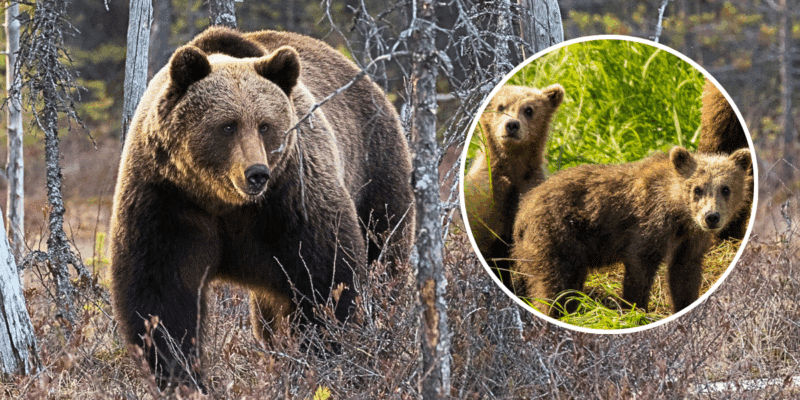
In British Columbia, Canada, on October 12, two hikers were “seriously injured” by a grizzly bear protecting its cubs.
Posting to its Facebook page, the British Columbia Conservation Officer Services said this incident occurred on Farm Cabin Trail near the McGregor mountain area just northeast of Prince George, British Columbia.
“They were transported and treated at University Hospital of Northern BC,” wrote the British Columbia Conservation Officer Services on its Facebook page. “Both hikers are in stable conditions and recovering in hospital. We’re wishing them a full and speedy recovery.”
Speaking to CBS News, British Columbia paramedic service spokesperson Brian Twaites said that paramedics on an air ambulance treated both patients, with one of the hikers in critical condition and the other in stable condition.
The incident was investigated on October 13 by the Conservation Officer Services Predator Attack Team, with trails in the area closed during the investigation.
The Predator Attack Team’s investigation “determined the bear’s actions were defensive,” Conservation Officer services reported, adding, “Due to the location and nature of the incident, no action will be taken against the bears.”
However, the Farm Cabin Trail trailhead remains closed with signage posted regarding the danger to humans in the area.
According to Adventure Tours BC, which offers tours and travel services in British Columbia, “late August through October is the most popular and often the most spectacular time to see grizzly bears.”
Further, Adventure Tours BC says:
“This is the time of the annual Pacific salmon run, a vital event that draws bears from all over the region to the spawning rivers and streams. The grizzlies are in a state of hyperphagia, or ‘extreme eating,’ as they race against time to gain a significant amount of weight before their winter hibernation.”
RELATED: 29-Year-Old Hiker Survives Bear Attack In Yellowstone
What To Do If You Encounter A Bear
British Columbia Conservation Officer Services shared the following tips on Facebook for those who may be entering bear country, or for any hikers who happen to encounter a bear while on the trails:
- Stay Alert & Make Noise: Talk, sing, or clap regularly to avoid surprising a bear — especially near streams, dense brush, or when visibility is low;
- Travel in Groups: Hike in groups whenever possible. Bears are less likely to approach larger groups;
- Carry Bear Spray: Keep bear spray accessible, and outside of your backpack, and know how to use it;
- Keep a Clean Camp: Store food, garbage, and scented items in bear-proof containers or hang them at least 10 feet off the ground and 4 feet from tree trunks;
- Avoid Bear Habitats: Steer clear of areas with fresh tracks, scat, or animal carcasses. These may indicate a bear is nearby;
- Respect Closures & Warnings: Obey trail closures and posted signs. They’re there for your safety and the bears’ protection; and
- Never Approach Bears: No matter how calm or curious they seem, keep your distance. Use binoculars or zoom lenses for viewing.
The Yellowstone National Park Services created this video to demonstrate how to use bear spray: